Concerned About Thinning Hair?
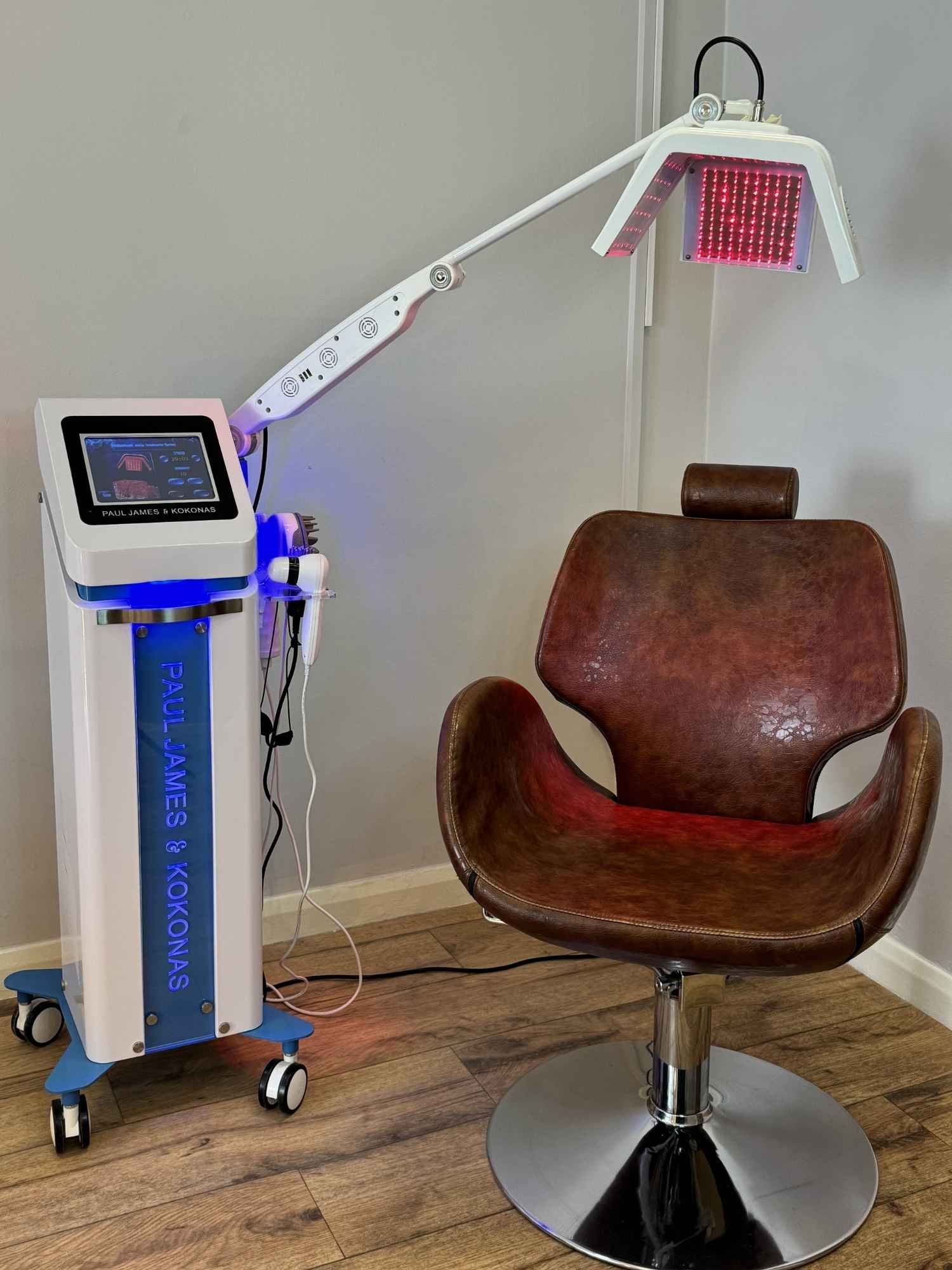
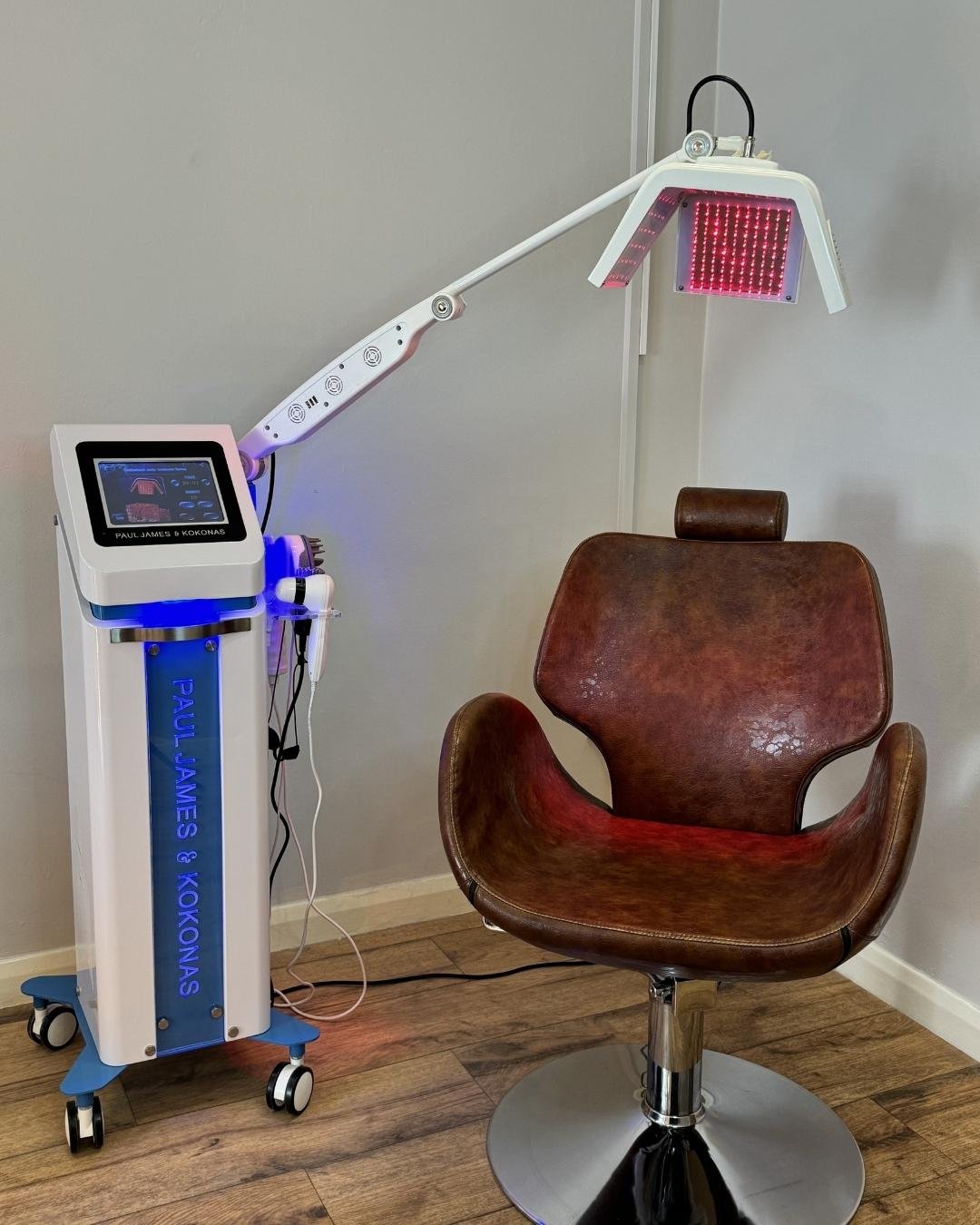
Low-Level Laser Therapy (LLLT) is a non-invasive, light-based treatment that may help support healthier hair growth. It uses red light wavelengths to stimulate cellular activity and improve circulation in the scalp - creating a more supportive environment for hair follicles.LLLT is FDA-cleared for treating androgenetic alopecia in some individuals. Results vary by person and depend on consistent use.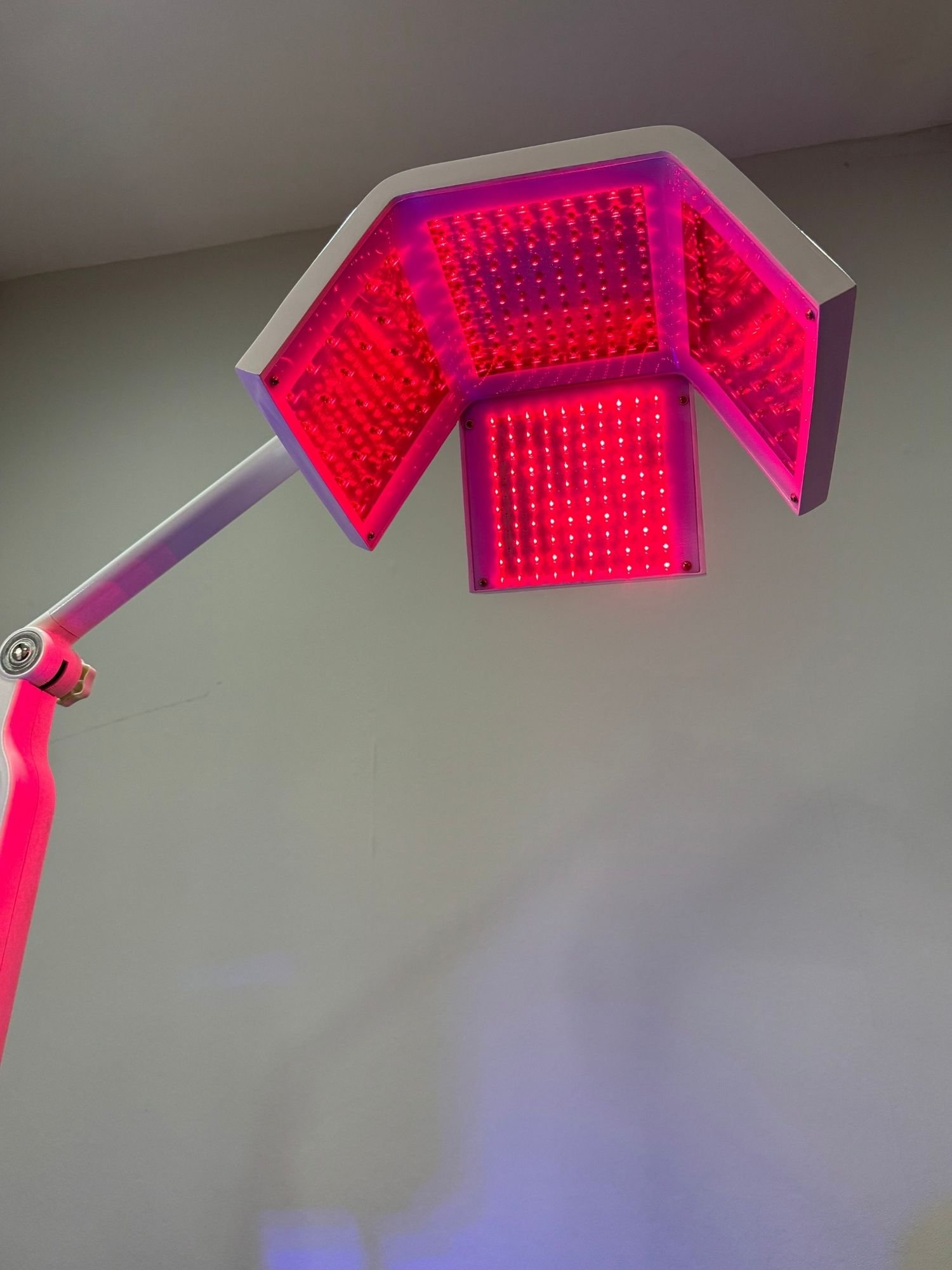
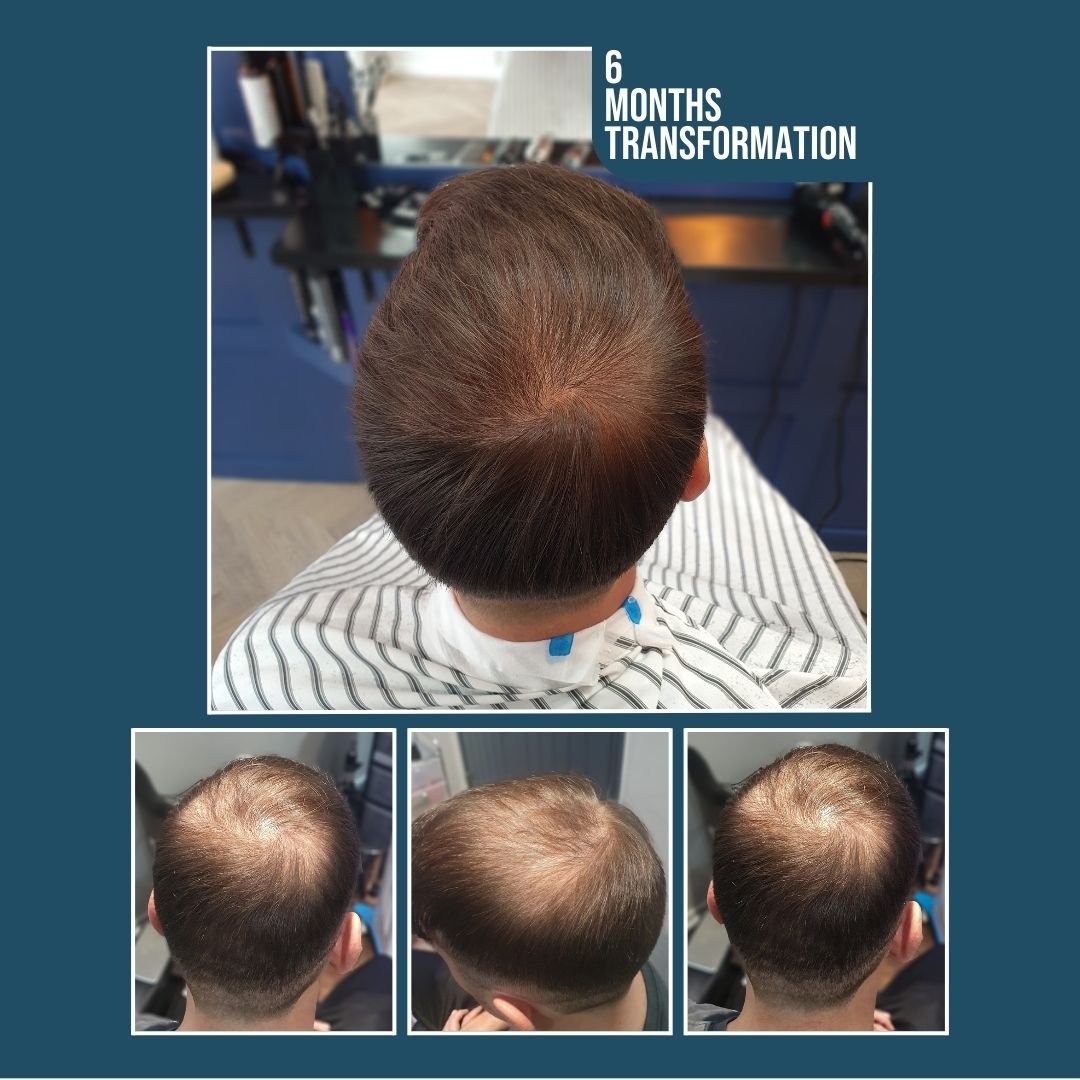
Tom
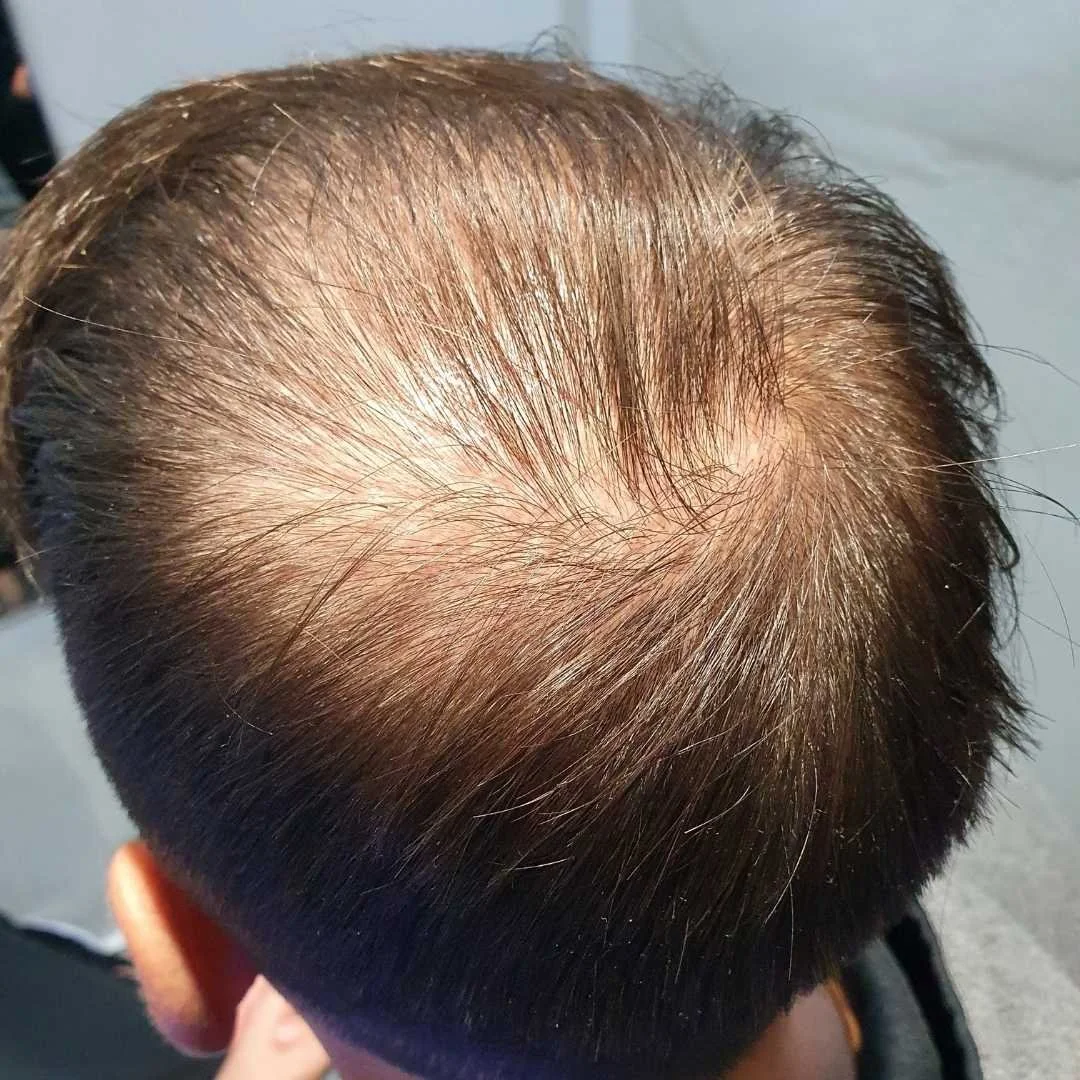
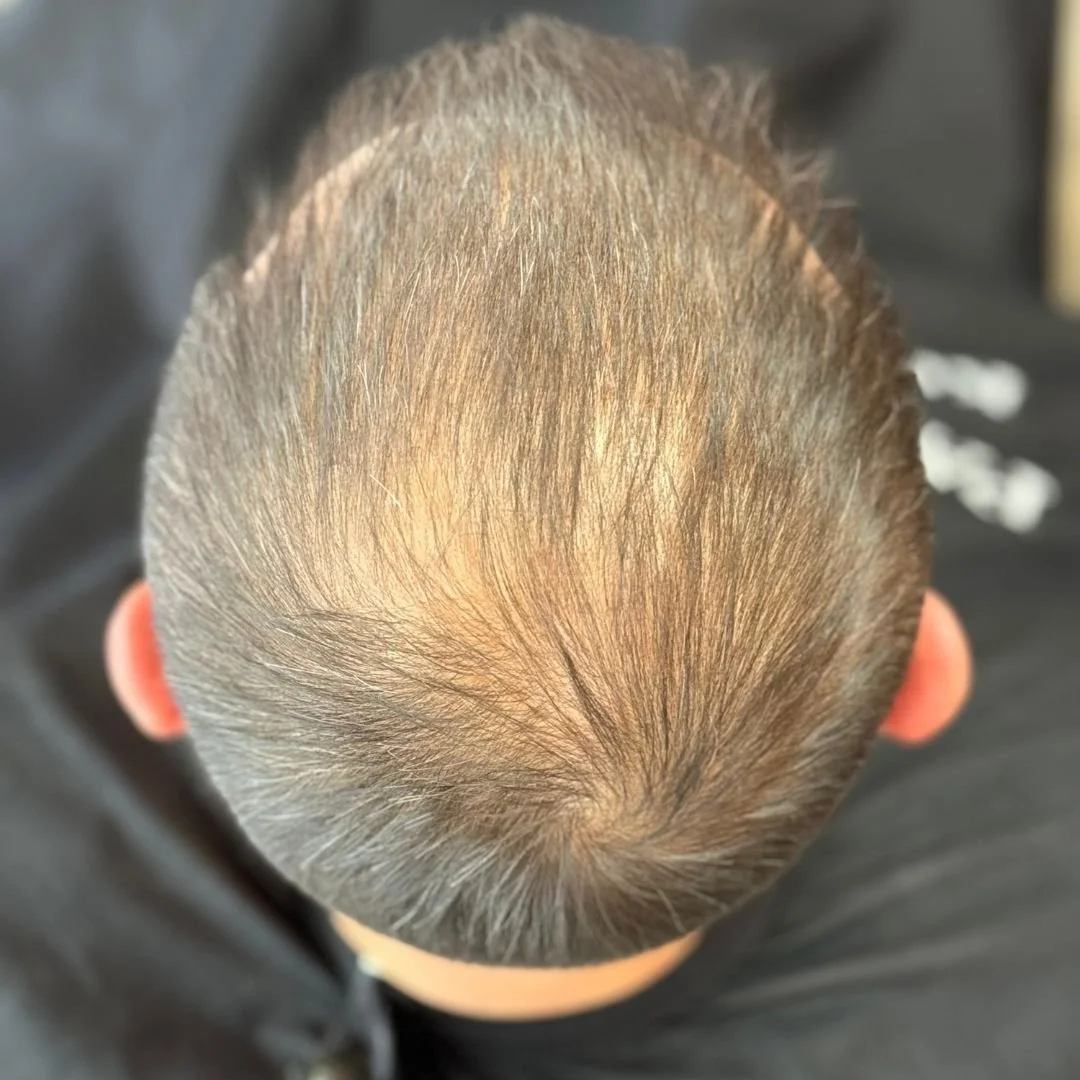
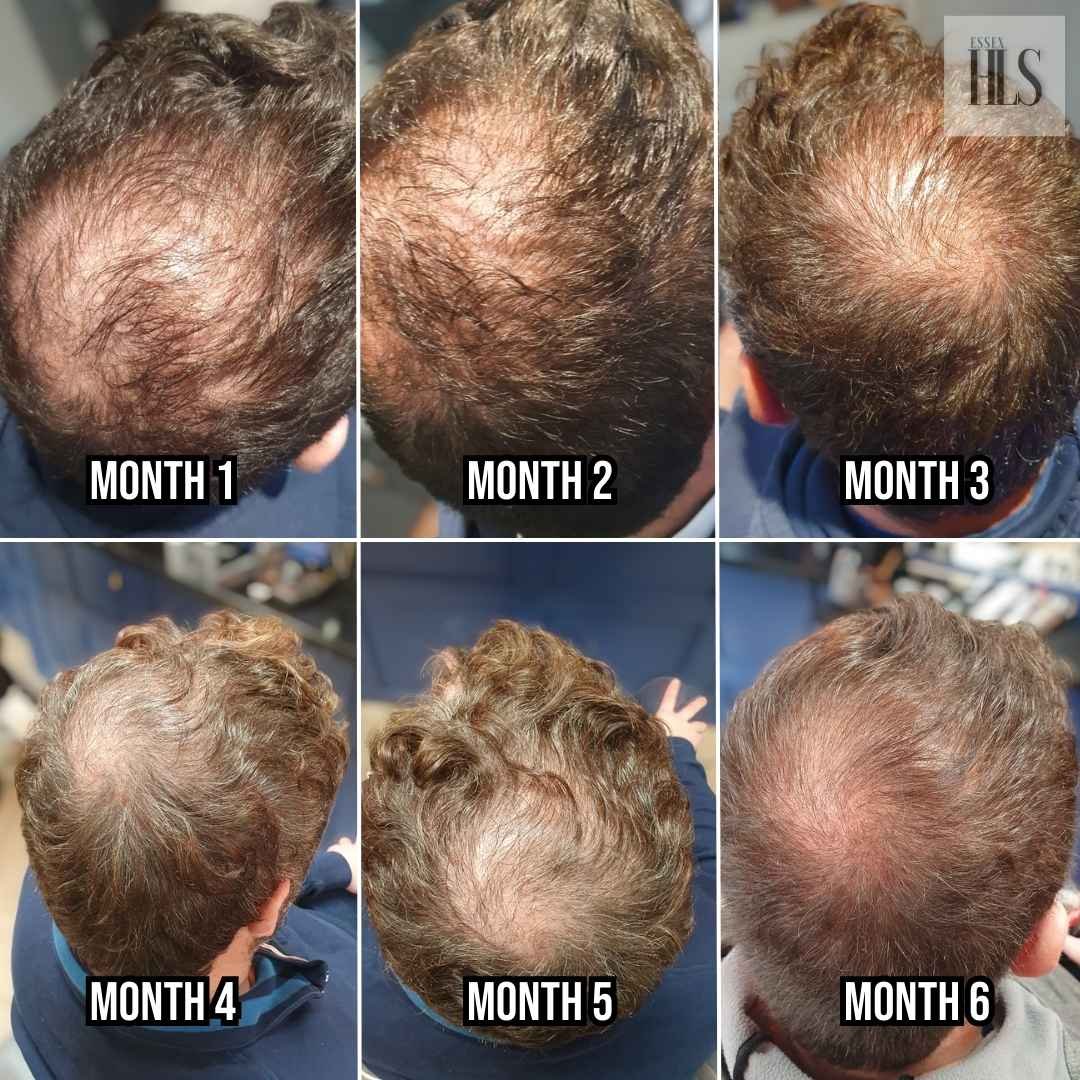
I had been concerned about my hair loss for 6 years. After a hair transplant for my hairline, I still struggled with my crown area and was skeptical about Laser Therapy. However, after my consultation, I felt reassured by the knowledgeable team. As the process went on, I began to notice real results, especially in the density of my hair. I’m very impressed and would highly recommend it, especially with the convenience of not having to travel far. The payment options are also flexible.
Results based on individual responseClaude
“I was skeptical but after research, I was willing to try a non-invasive procedure. The results were beyond my expectations. My hair is now where it was 20 years ago!
After 4 weeks, I started to notice changes: more hair, less visible scalp. The routine was very easy to stick to - taking medication once a day and attending laser therapy sessions that fit around my work and personal commitments.
Improving my hair has given me much better self-confidence. I feel so much better about myself in daily life, and it’s been a positive change all around.
For anyone who’s on the fence about trying laser therapy for hair loss, my advice is simple: do your research and give it a try. You’ve got little to loose and a good chance of getting your hair back to where it used to be.”
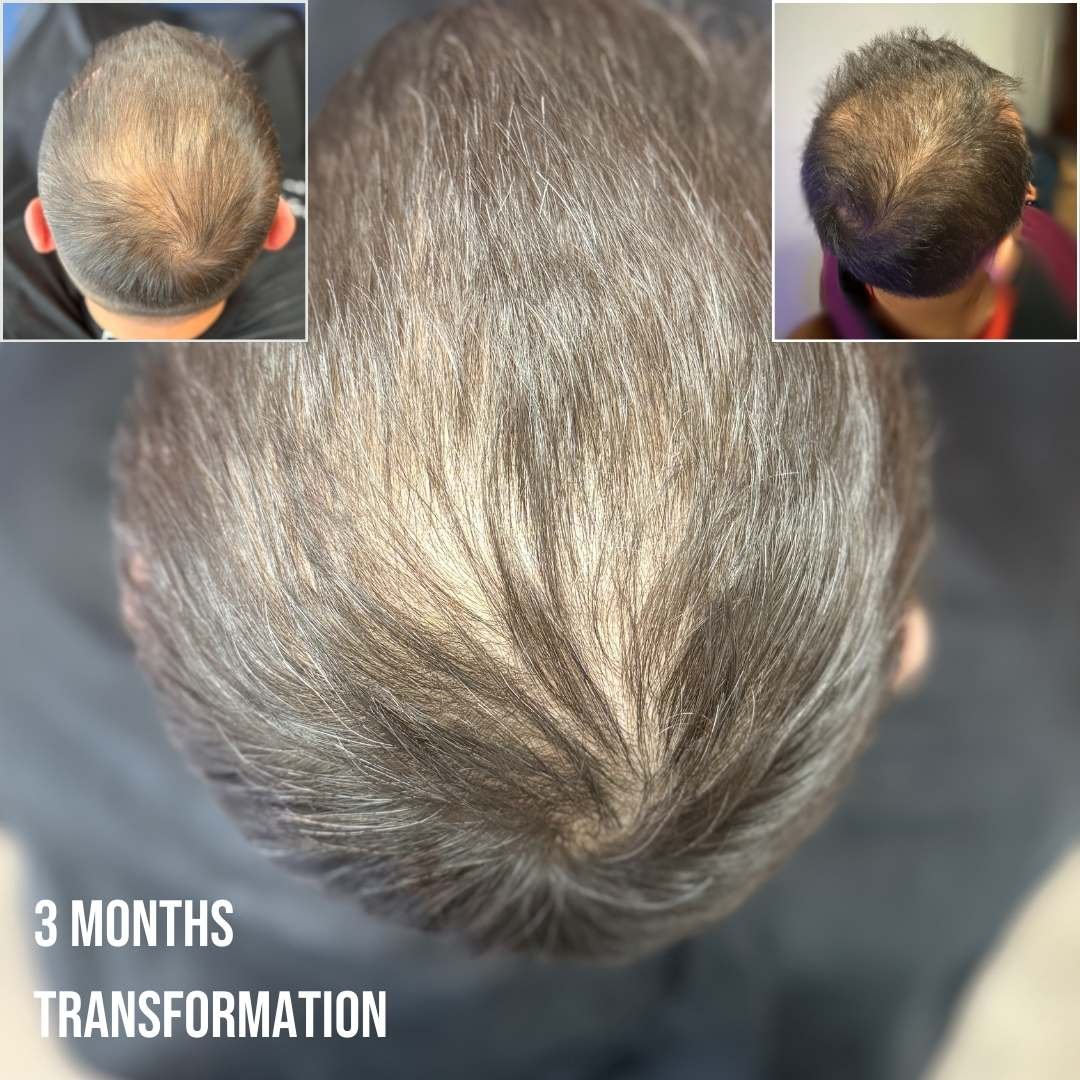
Results based on individual response.Noticing thinning spots?
FAQs
-
Low-Level Laser Therapy (LLLT) is a non-invasive, painless treatment that uses red light to support blood flow and cellular energy in the scalp - helping create a healthier environment for hair growth.
-
LLLT helps support the natural hair growth cycle by encouraging dormant follicles to re-enter the growth phase (anagen) and stay there longer. This can promote the appearance of thicker, healthier hair over time.
Our hair loss treatment programs are designed to support a wide range of clients. While individual results vary, many see improvement with consistent use.
Low-Level Laser Therapy (LLLT) is considered safe and has been researched in thousands of scientific and clinical studies over the past 35+ years.
-
With consistent use, results from Low-Level Laser Therapy (LLLT) may become noticeable within 3 to 6 months, in line with the natural hair growth cycle as dormant follicles are reactivated.
Many clients report healthier-feeling hair, reduced shedding, and improved scalp condition within the first 4 to 6 weeks, even before visible regrowth appears.
-
LLLT is a safe, painless, and non-surgical treatment with minimal known side effects.
Some clients may notice temporary hair shedding in the first few sessions — this is a normal part of the hair cycle as follicles shift from the resting phase to the growth phase.
Concerned About Thinning Hair?
Noticing Thinner Hair? Harder to Style? Feeling Less Confident?
These could be early signs of hair loss:
✅ Seeing more scalp in the mirror
✅ Waking up with hair on the pillow
✅ Struggling to style your hair the way you want
✅ Feeling stuck and unsure what actually works
If this sounds familiar, you may be in the early stages of male pattern hair loss — and early action matters.
At our clinic, we combine science-backed, non-invasive treatments designed to help slow hair loss and support fuller, healthier hair growth — naturally.
What You Can Expect from Our Hair Recovery Program:
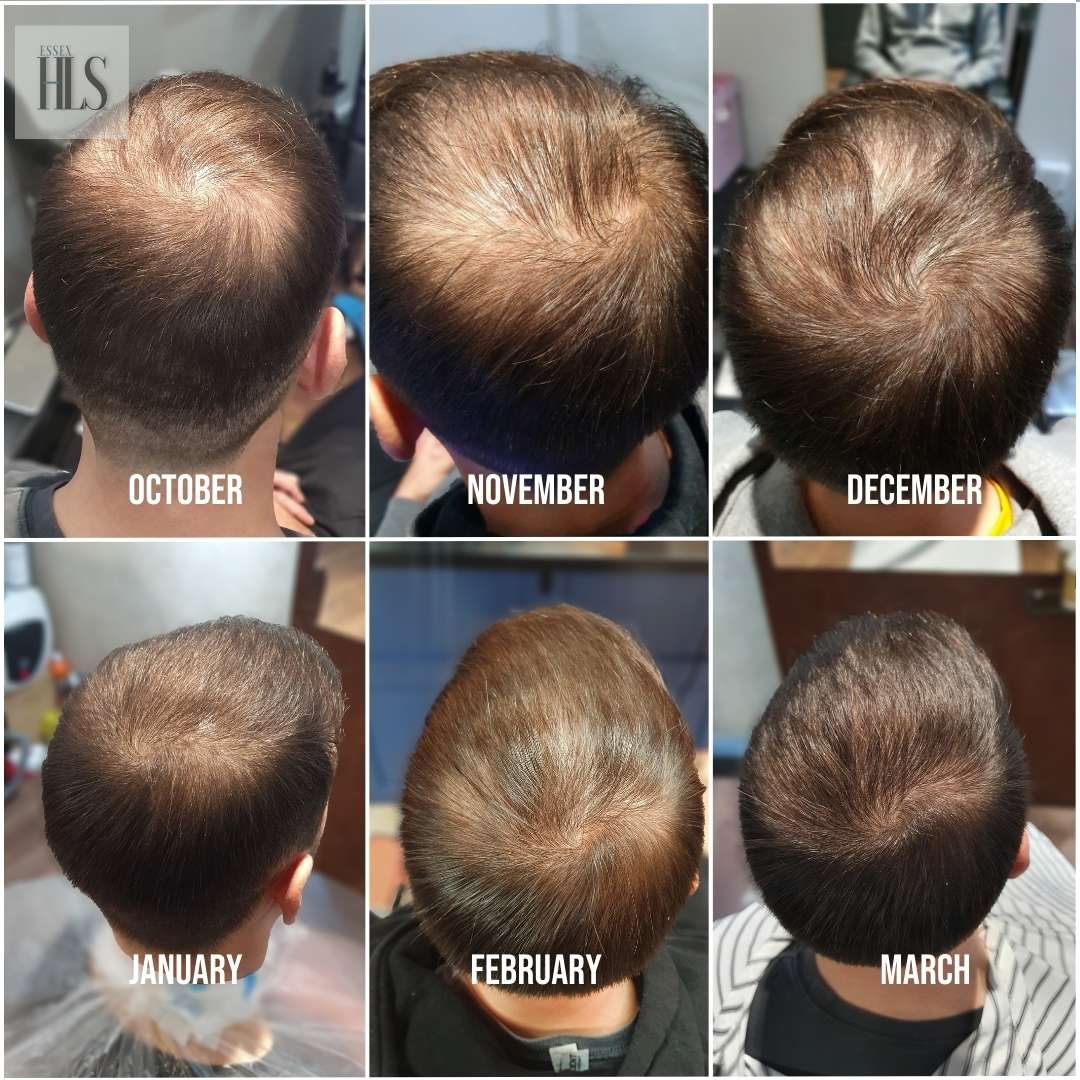
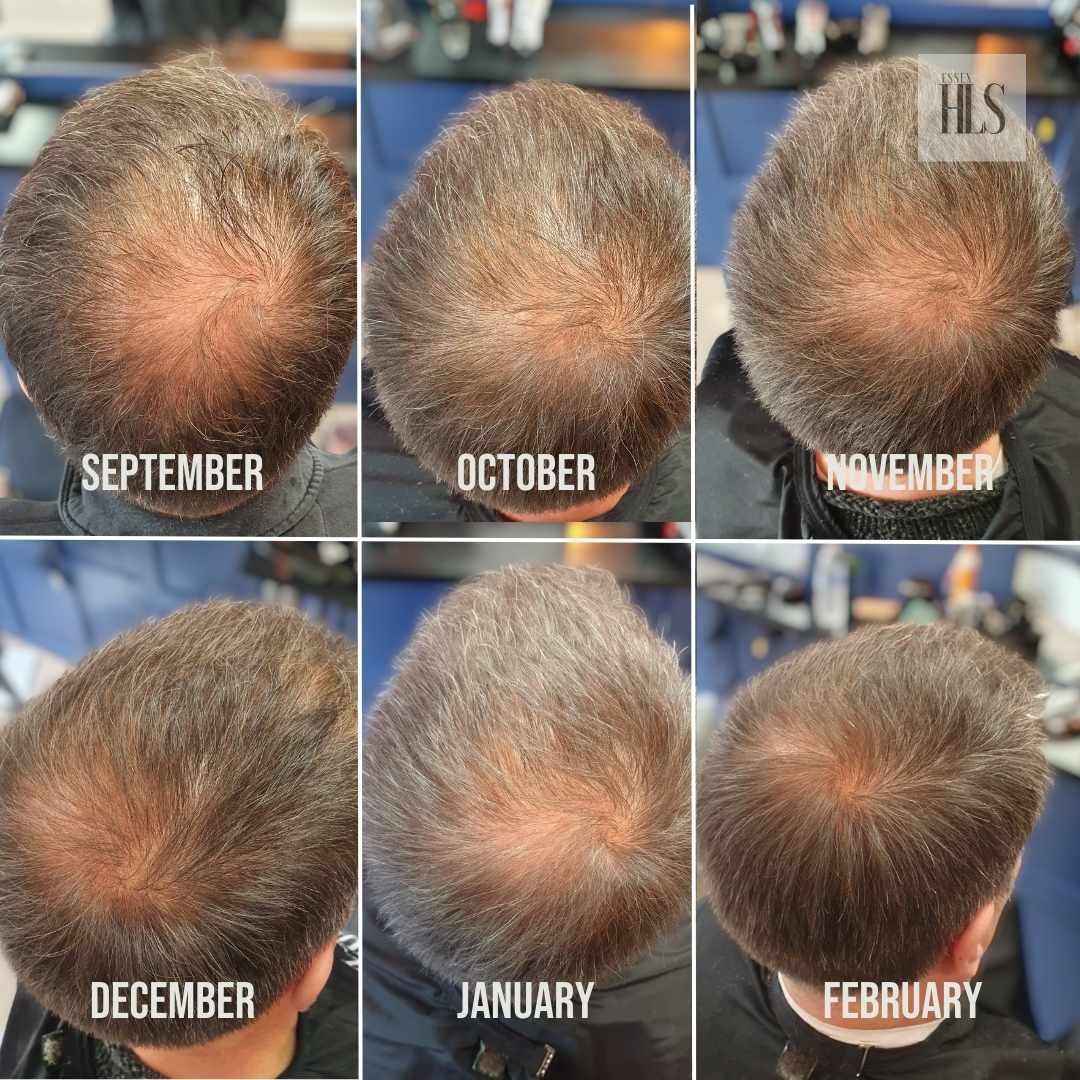
Typical progress in 3–6 months with consistent use
Hair may feel more manageable within the first month
Combines clinically backed treatments tailored to your needs
Non-invasive and easy to fit into your routine
Private, 1-to-1 service focused on your goals

Low level laser therapy
Process and cost
-
We base our price on 3 or 6 month treatment plans, depending on your needs. These will be discussed in the consultation.
3 months - £1000
6 months £1500
-
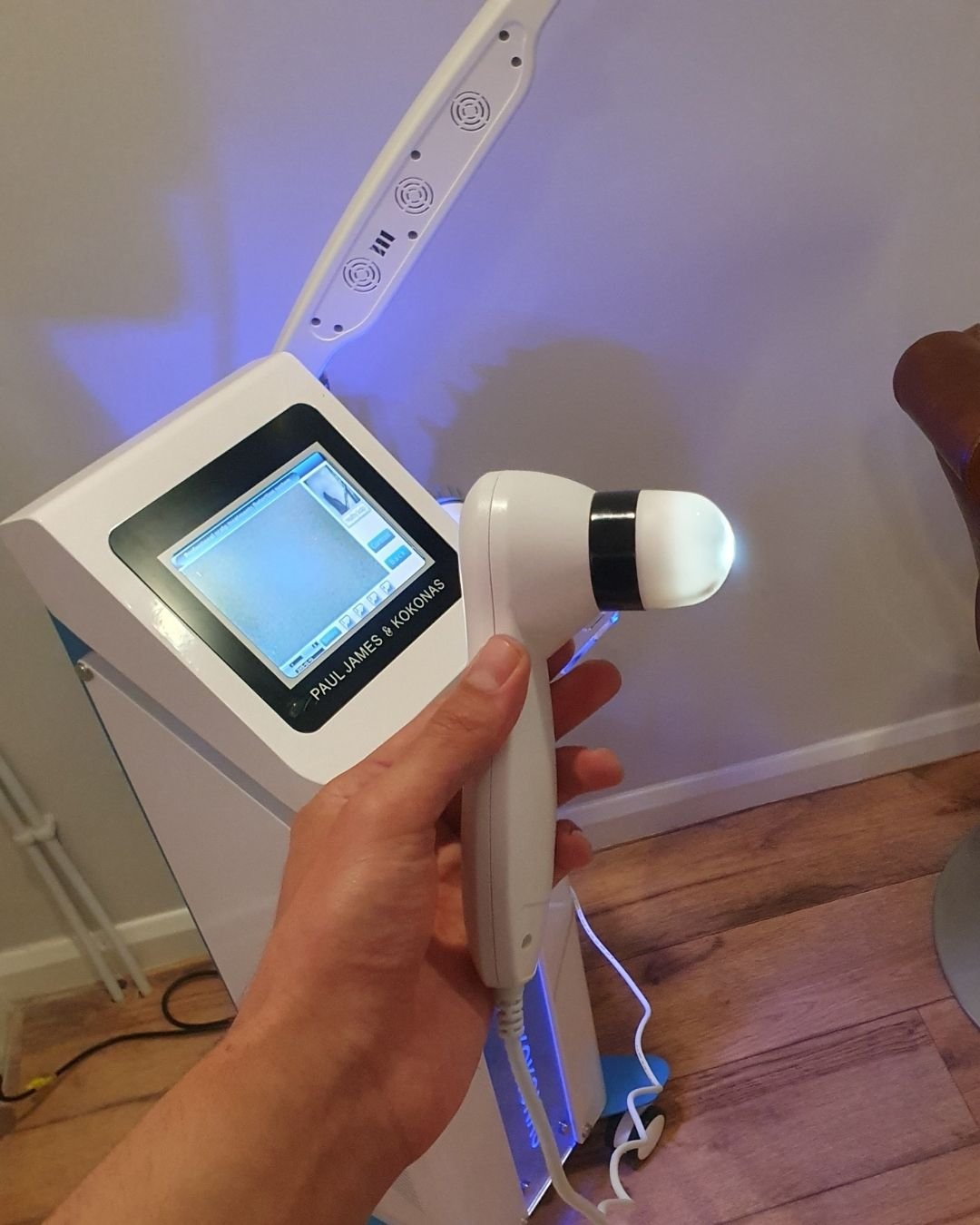
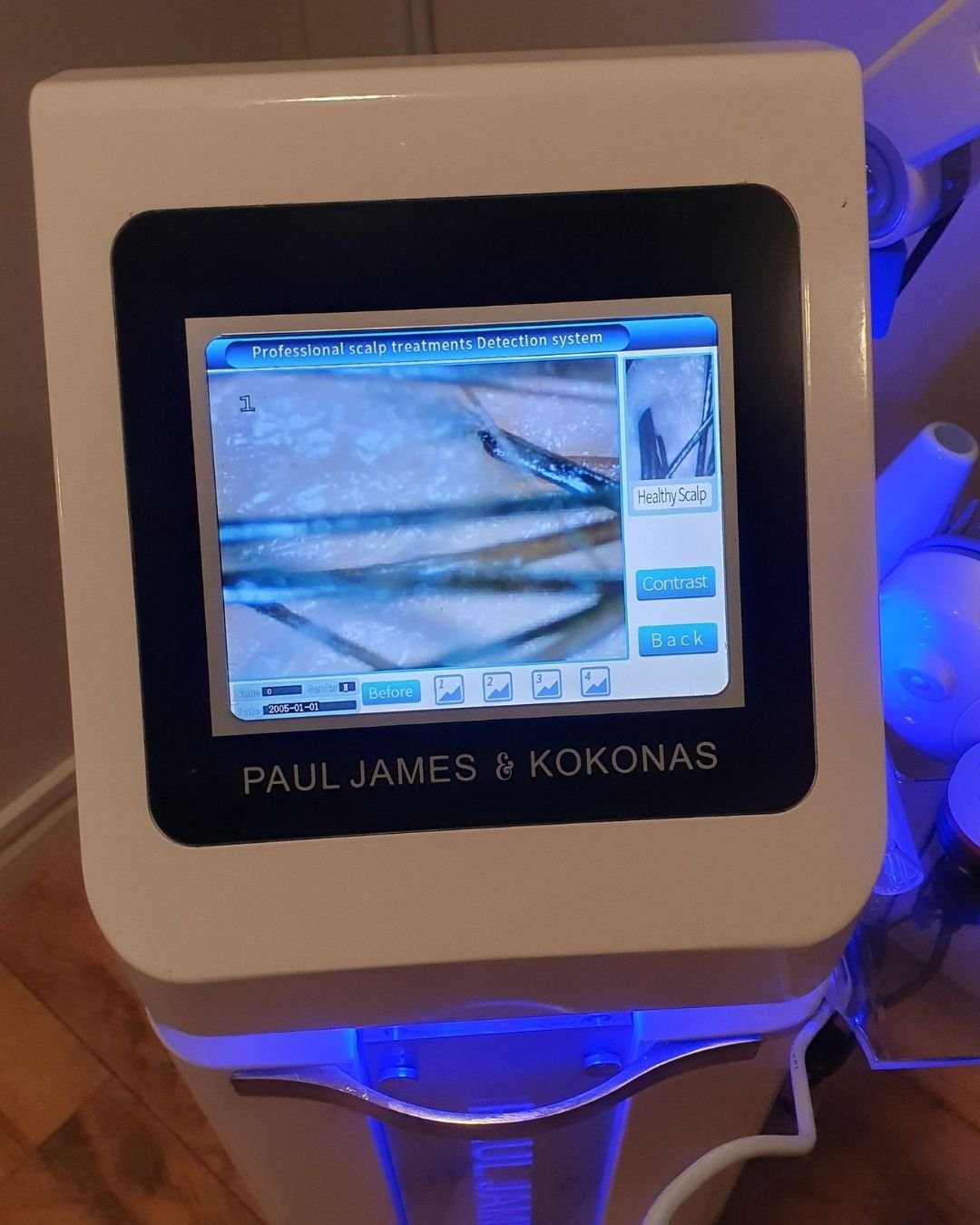
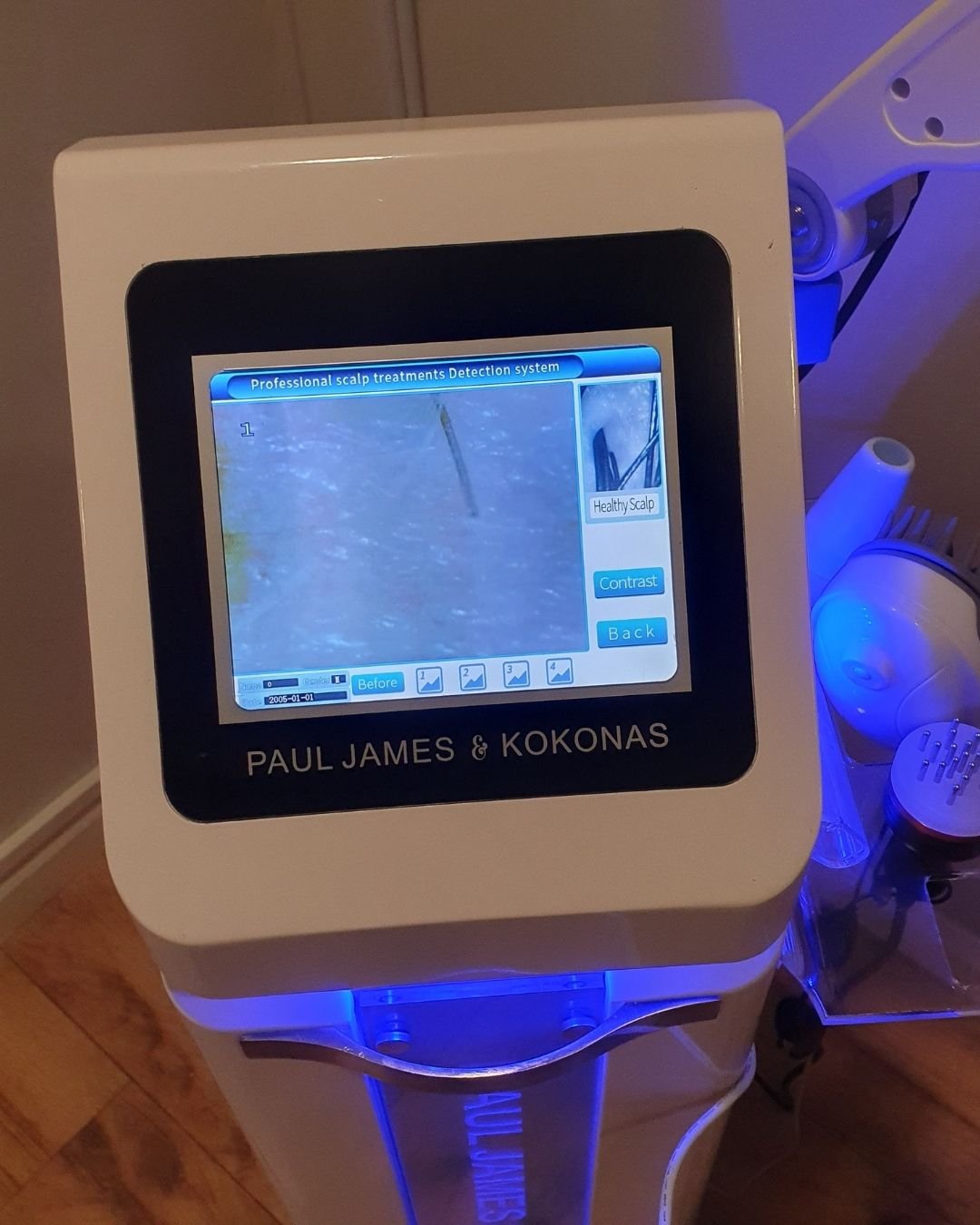
Every program begins with a private consultation where we discuss your hair concerns and assess your scalp using our high-resolution microscopic scanner.
This non-invasive scan gives us a detailed view of your scalp health and helps identify factors that may be contributing to your hair thinning or loss. -
Based on your personalised plan, we typically recommend 1 to 2 sessions per week, depending on your stage of hair loss and treatment goals.
-
Throughout your treatment, we’ll track your progress using regular scalp scans and photographs.
This visual tracking helps us personalise your plan over time and make adjustments to support the best possible outcome. -
At the end of your treatment plan, we’ll review your progress and discuss the best options for ongoing care.
Whether that includes maintenance sessions, scalp care routines, or at-home products, we’ll guide you through the next steps to help you maintain your results and keep your hair looking its best.

Results based on individual responseMale pattern baldness
The Most Common Cause of Hair Loss in Men
Male Pattern Baldness accounts for over 95% of hair loss cases in men.
Research shows that a combination of genetic, hormonal, and environmental factors contribute to this condition - and these factors have been studied for decades.
At our clinic, we use science-backed treatments that are designed to target these causes and help support the return of healthier, fuller-looking hair -naturally.
The earlier you take action, the better your chance of preserving and improving hair density over time.
-
Minoxidil is a topical treatment commonly used to support hair growth by increasing blood flow to the scalp.
This improved circulation helps deliver nutrients and oxygen to hair follicles - creating a healthier environment for growth.
It may also help extend the anagen phase (growth phase) of the hair cycle. -
Finasteride is an oral medication commonly used to treat hair loss by targeting hormonal factors - specifically the conversion of testosterone into DHT.
DHT (dihydrotestosterone) is a hormone linked to the shrinking of hair follicles in men with male pattern baldness.
Finasteride may help slow further hair loss and support longer growth phases in the hair cycle. -
LLLT (Low-Level Laser Therapy) is a non-invasive treatment that works by stimulating the cells within hair follicles.
It’s designed to help improve scalp circulation and cellular energy, creating a more supportive environment for hair growth.
LLLT may also help shift hair follicles from the resting phase into the growth phase of the hair cycle. -
DHT (dihydrotestosterone) is a hormone produced as a byproduct of testosterone.
In some men, genetic sensitivity to DHT can cause the hair follicles to shrink, a process called miniaturisation.
Over time, this leads to thinner, weaker hair and, eventually, visible hair loss, a common pattern seen in male pattern baldness.

Hair cycles
Hair follicles are always going through 3 phases of growth. not all at the same time, so you always have some hair growing, some taking a break, and some falling out naturally.

Growing phase (Anagen)
Hair is actively growing, can last for 2-7 years

Transition (Catagen)
Hair follicles begin to shrink, and hairs stop growing. It prepares hair for the final stage

Resting (Telogen)
Hair stops growing and after a few months, hair sheds and the cycle begins again.
DHT (dihydrotestosterone) binds to hair follicles and shortens the hair growth cycle.
This means each hair spends less time in the growth phase and enters the resting and shedding phases too soon.
Over time, the hairs become thinner, weaker, and eventually stop growing altogether.Scalp hygine
A balanced scalp provides a foundation for hair growth by creating a clean, well-nourished environment for hair follicles.
Excess oil production, dryness, and buildup from products can effect hair quality and growth potential.Sebum, the natural oil produced by the scalp, helps protect and hydrate the skin, but too much or too little can disrupt the scalp’s balance. Dandruff, sensitivity, and excess oil can clog follicles, leading to inflammation and weakened hair growth. By caring for your scalp, you can better support hair health and create an ideal environment for treatments targeting male pattern baldness.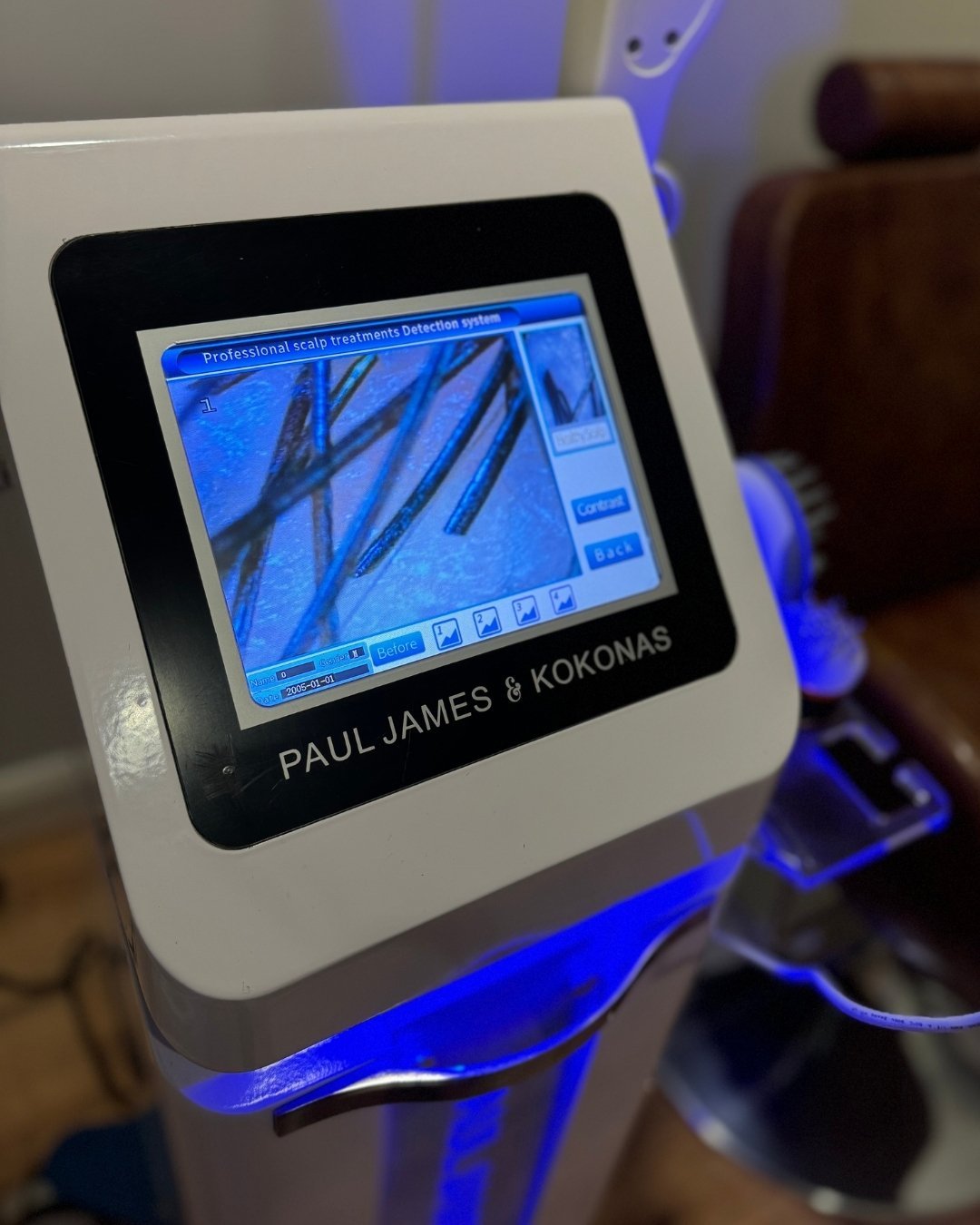
Essex hair loss solutions
Dealing with early-stage hair loss can feel overwhelming; you may notice your hair thinning, worry about it getting worse, and wonder if there’s anything you can do to stop itOur process begins with a free consultation after you complete a quick assessment.
During this visit, we’ll use a microscopic scalp scan to get a closer look at your scalp and hair follicles helping us understand what may be contributing to your hair loss.
From there, we’ll recommend personalised treatment options based on your goals and the stage you’re at.
And if our program isn’t the right fit, we’ll still give you honest guidance on what to do next.